Insulation Company in Corona, CA
Blown in insulation is the most common fix we install in Corona, and with good reason. The city’s older tract homes, many built in the 1980s and 90s, came with R-11 fiberglass batts that have settled, compressed, or been chewed through by rodents over the decades. Combine that with attic temperatures that routinely spike past 150°F in July and August, and you get exactly what Corona homeowners describe to us every week: upstairs bedrooms that never cool down, AC units that run nonstop, and energy bills that climb every summer. Rock Solid Insulation has served Corona since 2012, and we’ve seen how the Santa Ana winds push dust and grit from the Cajon Pass into attics here in a way you won’t find in Chino or Ontario. Call (855) 798-0822 for a free estimate, and we’ll tell you honestly whether blown in insulation is the right fix or if your home needs something different.
Why Corona Homes Are Different
Corona sits at a strange intersection of geography and weather that most insulation contractors don’t account for. The Cajon Pass funnels wind directly into the city’s northern and eastern edges, carrying fine dust, ash from wildfire season, and grit that works its way through soffit vents and into attic spaces. We’ve pulled back insulation in foothill neighborhoods off Chase Drive and found a crusted layer of compressed dust on top of loose-fill that had to be removed before any new material could go down. That’s not a problem you see in coastal cities, and it’s not something a generic insulation crew from outside the area would even look for.
The housing stock makes it more complicated. Corona’s older south side, near downtown and the 91, is full of 1960s and 70s single-story tract homes with original insulation that’s now effectively useless. The north and east sides are dominated by 1980s and 90s two-story subdivisions where the attic insulation was barely adequate when new and has degraded badly since. Then you have the newer luxury builds in the foothills, where Title 24 energy code requirements mean a completely different standard. Garage conversions and room additions are common across all of these areas, and they create irregular insulation boundaries, small attic pockets, and air leaks that a one-size-fits-all approach will miss. The right insulation for a 1972 ranch house near downtown is not the right insulation for a 2015 foothill home near the Cleveland National Forest boundary.
Our Main Corona Services
Corona homeowners call us most often about two things: attic insulation that’s no longer doing its job, and spray foam for garages, additions, and hard-to-reach spaces where traditional batts won’t cut it. Here’s what each one looks like in Corona specifically.
Attic Insulation in Corona
Most Corona attics we inspect have either original fiberglass batts from the 1980s or 90s that have settled to a fraction of their original R-value, or loose-fill that’s been matted down by wind-driven dust from the pass. The fix usually involves removing the degraded material, air sealing the attic floor, and installing new insulation rated for Corona’s 150°F summer attic temperatures. In older south-side homes, we often find the original R-11 batts compressed under decades of storage boxes and HVAC work. The goal is getting the attic to a consistent R-value that actually holds through Corona’s day-night temperature swings, which can be 40 degrees or more. Attic Insulation in Corona covers the full process, including what we look for during an inspection and what the job costs.
Spray Foam Insulation in Corona
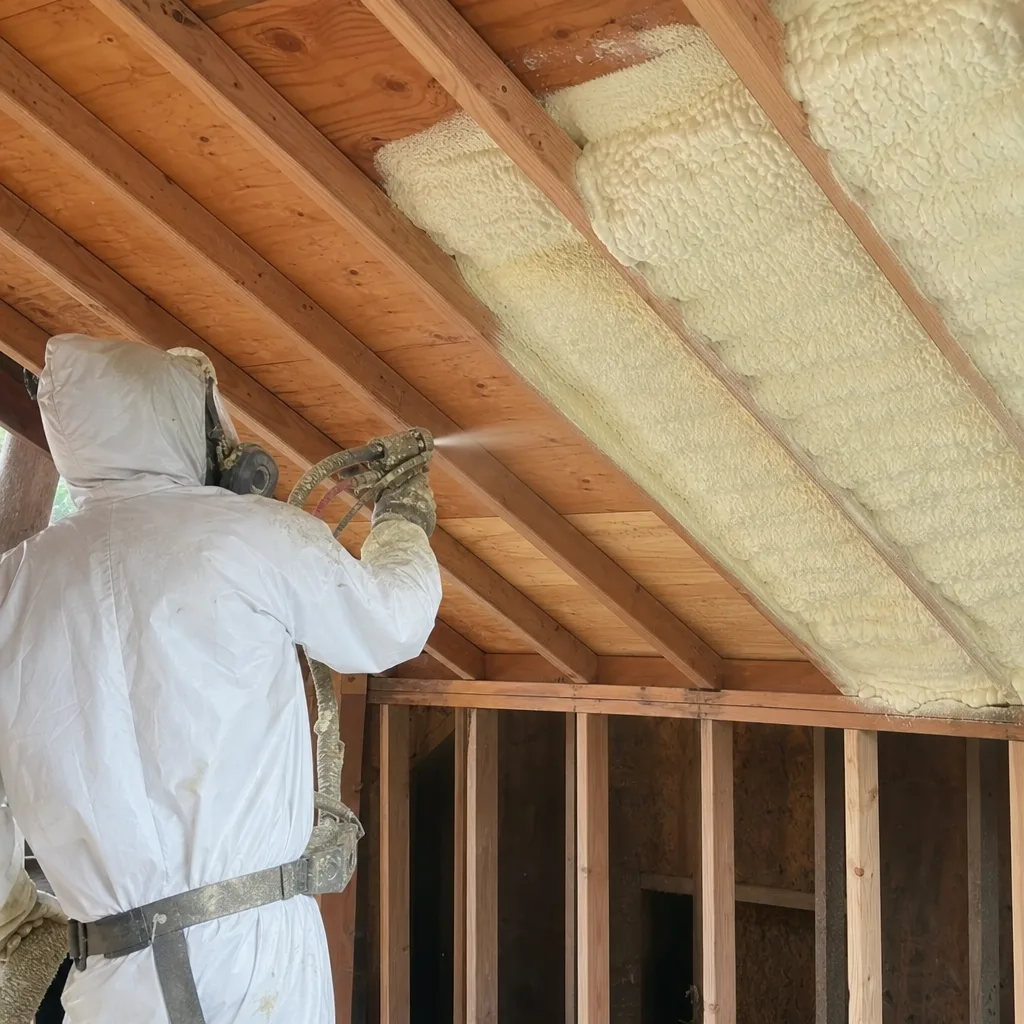
Spray foam earns its keep in Corona in ways it doesn’t in milder climates. The air sealing alone matters here because dust and ash from the Cajon Pass find every gap, crack, and soffit penetration. Closed-cell foam in particular handles the attic heat better than open-cell, though open-cell has its place in interior walls and soundproofing applications in Corona’s two-story homes. We carry Icynene and Demilec systems, two of the most performance-tested foam platforms in the industry, and we’ll recommend one or the other based on your specific roofline, ventilation setup, and whether you’re converting a garage or adding a room. Spray Foam Insulation in Corona explains the differences and what each option costs in Corona.
What happens when you call
- 1
A real person answersNo phone trees — you reach a local pro.
- 2
You get an upfront price rangeHonest numbers before anyone is dispatched.
- 3
A background-checked tech heads outLicensed & insured, dispatched right away.
- 4
You approve before work beginsNothing starts until you say go.
Blown In Insulation in Corona
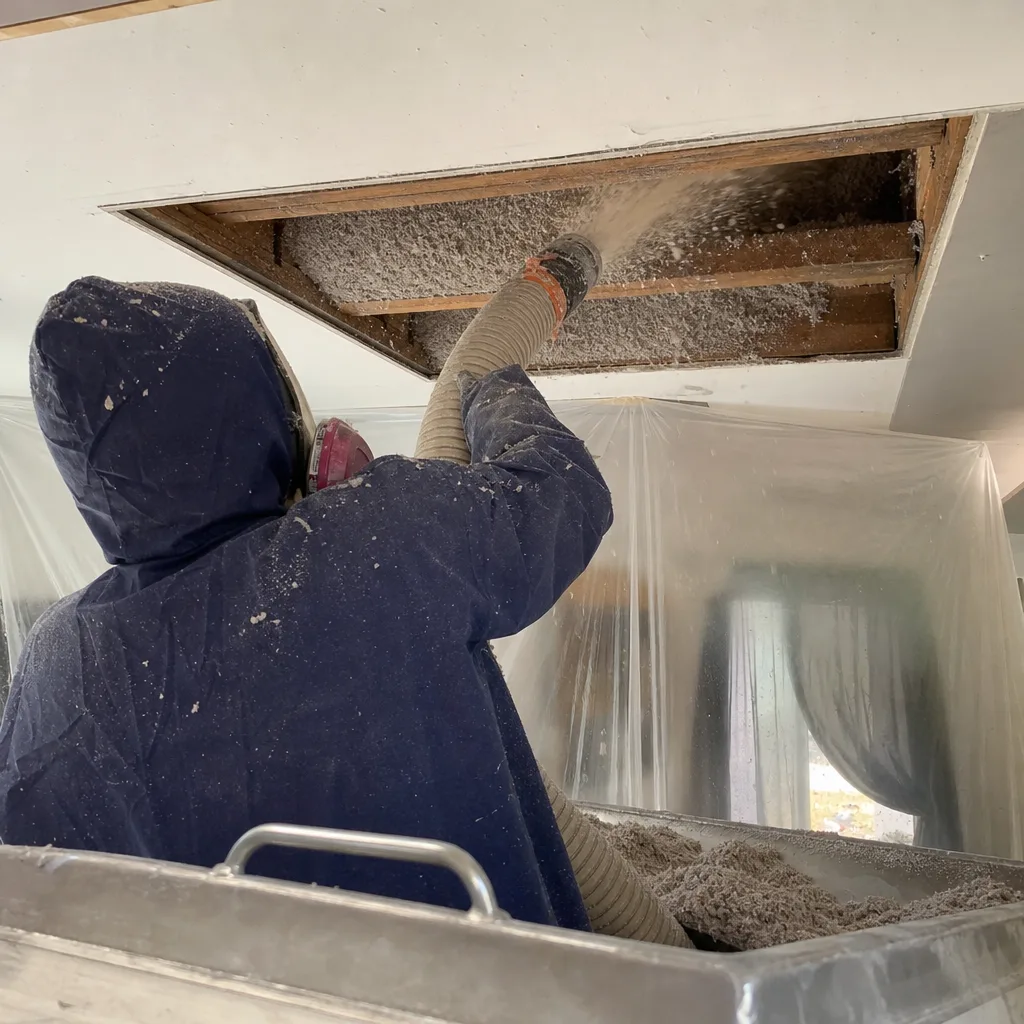
Blown in insulation is the fastest, most cost-effective way to bring a Corona attic back up to a functional R-value, especially in the older homes that dominate the south side and downtown areas. We install it as loose-fill fiberglass or cellulose, blown to a consistent depth across the attic floor, and it’s the practical choice when you’re dealing with an existing attic that has awkward joist spacing, low clearance, or multiple additions with irregular boundaries. The material fills gaps that batts can’t reach, and when installed to the right depth for Corona’s climate, it holds its R-value through the thermal cycling that comes with 150°F days and near-freezing winter nights. For a deeper look at the materials and methods we use, see our Blown In Insulation page.
Cellulose Insulation
Signs you need it
Your attic insulation has settled to the point where ceiling joists are visible and you can feel heat radiating through upstairs ceilings on summer afternoons.
What it costs in Corona
Cellulose insulation in Corona typically runs $1,850 to $4,500 depending on attic square footage, existing material that needs removal, and the target R-value for your home’s era and orientation.
How we do it
We remove any crusted or compressed top layer from the existing attic floor, air seal around penetrations and top plates, then blow GreenFiber cellulose to a consistent depth that meets or exceeds current code for Corona’s climate zone.
Blown In Attic Insulation
Signs you need it
Rooms directly under the attic run 8 to 12 degrees warmer than the rest of the house in summer, or you’re seeing dust and grit accumulating around ceiling fixtures and hatch openings after Santa Ana wind events.
What it costs in Corona
Blown in attic insulation in Corona typically costs $2,200 to $5,800, with most two-story 1980s-90s homes in the north and east falling in the middle of that range.
How we do it
We run a hose to the attic access, calibrate the blower to the material, and blow loose-fill fiberglass or cellulose in a grid pattern so the depth stays uniform and the R-value is consistent from eave to peak.
Blown In Cellulose Insulation
Signs you need it
You want a denser, better-sealing material than fiberglass, especially in an older Corona home where the attic floor has gaps, cracks, and old wiring penetrations that leak conditioned air.
What it costs in Corona
Blown in cellulose in Corona runs $1,850 to $4,800, with the higher end reserved for attics that need old material removal or extensive air sealing first.
How we do it
GreenFiber cellulose is blown to a density that fills gaps and slows air movement through the attic floor, then we level the material and verify the final depth against the R-value target for your specific home.
Loose Fill Insulation
Signs you need it
Your existing loose-fill has blown around unevenly, leaving bare spots near eaves and over exterior walls where heat pours in all summer.
What it costs in Corona
Loose fill insulation in Corona typically costs $1,800 to $4,200 depending on whether we’re topping up existing material or removing and replacing it entirely.
How we do it
We inspect the existing material for dust crust, rodent damage, and compression, remove what’s failed, then blow new loose-fill to a uniform depth with attention to the eave areas where Corona attics lose the most coverage.
What Blown In Insulation Costs in Corona
| Item | Typical range in Corona |
|---|---|
| Cellulose insulation (attic install) | $1,850 – $4,500 |
| Blown in attic insulation (full install) | $2,200 – $5,800 |
| Loose fill insulation (top-up or replace) | $1,800 – $4,200 |
Old material removal, air sealing, and access issues in tight Corona attics push the price toward the higher end. We give you a fixed, upfront quote before any work starts, and the number we quote is the number you pay.
Is blown in insulation worth it in Corona’s heat?
Yes, if your attic has old or settled material. A properly blown attic stops heat radiating into living spaces, which is the single biggest driver of summer cooling costs here.
How long does blown in insulation last in Corona?
Fiberglass and cellulose both hold their R-value for decades, but Corona’s wind-driven dust can crust the top layer. An inspection before topping up tells you what you’re working with.
Brands We Service in Corona
We install Owens Corning, Johns Manville, and Knauf fiberglass products, plus GreenFiber cellulose and Rockwool mineral wool for fire-rated or moisture-sensitive Corona applications. Parts and materials for these brands are stocked locally, so most Corona jobs start within a few days of the quote. See our brands for the full lineup and what each material is best suited for.
Pricing for Insulation Company in Corona, CA
| Service | Typical range in Corona |
|---|---|
| Cellulose insulation | $1,850 – $4,500 |
| Blown in attic insulation | $2,200 – $5,800 |
| Blown in cellulose insulation | $1,850 – $4,800 |
| Loose fill insulation | $1,800 – $4,200 |
| Attic insulation (full replacement) | $2,800 – $7,200 |
| Spray foam insulation (attic or walls) | $3,500 – $12,000 |
| Garage conversion insulation | $2,500 – $8,500 |
| Soundproofing insulation | $2,000 – $6,000 |
In Corona, the two biggest price drivers are old material removal and the condition of your attic access. Homes near the foothills with dust-crusted loose-fill often need a full removal before new material goes in, which adds labor. Every quote is fixed and upfront, so there’s no surprise when the job is done.
Neighborhoods We Serve in Corona
We install insulation across all of Corona, from the older single-story tracts south of the 91 to the 1980s-90s subdivisions north of Ontario Avenue and the newer foothill builds east of the 15. Most Corona jobs can be scheduled within a few business days of the estimate.
- South Corona and downtown tracts near the 91
- North Corona subdivisions around Ontario Avenue
- East Corona and foothill neighborhoods off Chase Drive
- The 92877, 92878, 92879, and 92880 ZIP areas
- Homes near the Cleveland National Forest boundary
Service Area – Cities Near Corona
Rock Solid Insulation also serves homeowners in the communities surrounding Corona. If you’re in Home Gardens, CA, El Cerrito Corona, CA, Eastvale, CA, or Norco, CA, we can assess whether your attic has the same wind-driven dust and heat exposure we see across Corona, and recommend the right material for your home’s construction.
Serving Corona, CA — Our Local Coverage Area
We’re based in the Corona area and know this community well. Use the map below to see our service coverage — if you’re nearby, we can almost certainly help.
FAQs About Insulation Company in Corona
Most Corona estimates happen within 2 to 3 business days, and installation usually follows within a week. During peak summer, when attics are hitting their highest temperatures, we prioritize homes without functional insulation. Call (855) 798-0822 to check current scheduling.
Insulation replacement in an existing attic typically doesn’t require a permit in Corona, but room additions and garage conversions do, and those permits often include insulation requirements. We can tell you what applies to your specific project during the estimate.
Yes. Many Corona foothill and newer subdivisions have HOA rules about exterior work, but attic insulation is interior work and rarely triggers HOA review. If your project involves anything visible from the street, we’ll help you navigate the approval process. Call (855) 798-0822 for a free estimate.
If your Corona home is fighting the heat with old insulation, or you’re tired of upstairs rooms that never cool down in August, call Rock Solid Insulation at (855) 798-0822. We’ll inspect what’s in your attic now, tell you honestly what it needs, and give you a fixed price before any work begins.
What happens when you call
- 1A real person answersNo phone trees — talk to a local insulation pro.
- 2You get an upfront price rangeHonest numbers before anyone is dispatched. No surprises.
- 3A background-checked tech heads outLicensed & insured, typically within 60-minute.
- 4You approve before work beginsNothing starts until you say go.
What Corona Customers Say
"Spray foam in the rim joists in the basement. The cold floors above them are gone."
— Sami Mansour"Work is good and the house is noticeably more comfortable. There was insulation debris left in the hall closet under the attic access that I had to clean up."
— Andres Delgado"Plastic laid from the front door to the attic hatch and they vacuumed the hallway afterward."
— Norma Reyes