Fast, Reliable Attic Insulation Across Corona
Most Corona attics are under-insulated, and the ones that aren’t are often fighting a losing battle against dust from the Cajon Pass. We see it constantly: homes in the 92882 and 92883 zip codes running original 1980s loose-fill that’s settled to half its rated depth, while attic temperatures climb past 150°F every August afternoon. That’s a recipe for $400 summer electric bills and upstairs bedrooms that never quite cool down. Rock Solid Insulation runs crews to Corona weekly and same-week scheduling is typical. Call (855) 798-0822 and we’ll put a plan together.
Why Rock Solid Insulation Is Corona’s Preferred Attic Insulation Company
We’re not a one-product contractor that shows up to every Corona home with the same pitch. We carry eight brands across fiberglass, mineral wool, spray foam, and cellulose, and we match the material to the house, not the other way around. A 1960s single-story near downtown with a vented attic needs something different than a 2015 two-story in the foothills with a tight roof deck. That matters here more than most places, because Corona’s heat load punishes insulation mistakes fast.
Corona homeowners keep calling us back because we diagnose before we install. We look at the existing attic conditions, the ventilation setup, the framing irregularities from old garage conversions, and only then recommend a specific product and method. Blown-in, batts, or spray foam. Owens Corning, Knauf, GreenFiber, or Johns Manville. Whatever the house actually needs. Our crews know the tracts off McKinley Street, the townhome clusters east of the 15 with alley-access garages, and the custom homes up near Eagle Glen. That local reps experience means our estimates don’t include surprises.
Ruben Calloway built Rock Solid Insulation around one principle: performance before product loyalty. No exclusive supplier agreements. No pushing the brand that happens to be in the warehouse. Just insulation that holds its R-value through Corona’s brutal summer-to-winter swings. If a home needs Attic Insulation that’ll last 30 years, we’ll tell you exactly what that looks like and why it costs what it does.
Radiant Barrier in Corona
Radiant barrier in Corona is one of the highest-impact upgrades you can make to an attic that already hits 150°F from July through September. The material is a reflective foil that gets stapled to the underside of the roof rafters, bouncing thermal radiation back out instead of letting the roof deck cook the insulation below it. In Corona’s climate, that single layer can drop attic temperatures by 20 to 30 degrees on a hot afternoon, which means your air conditioner isn’t fighting a superheated attic to keep the living space at 78°F.
Why radiant barrier alone isn’t enough
Radiant barrier reflects heat, but it doesn’t stop air movement. In Corona foothill homes off Chase Drive and Green River Road, dust blown through the Cajon Pass still pushes into the attic through soffit vents and gaps around recessed lights and attic hatches. Without air sealing first, that dust settles on the foil’s reflective surface and cuts its performance within a few years. We pair radiant barrier with air sealing so you get the full reflectivity benefit long-term.
Radiant barrier costs for Corona homes
A typical radiant barrier install on a 1,500 to 2,200 square foot Corona home runs $1,400 to $2,700. Foothill homes with steep roof pitches or complex truss layouts land on the higher end because the install is slower. We recommend radiant barrier as a companion to blown-in insulation top-up, not a replacement for it.
Attic Cleaning Services in Corona
Attic cleaning services in Corona aren’t optional extras – they’re often the prerequisite to getting real insulation performance. Between the Cajon Pass wind-driven dust and the region’s dry climate, Corona attics accumulate a crusted layer of grit, rodent droppings, and degraded insulation dust that mats down loose-fill and ruins R-value. You can’t blow new insulation over that and expect it to perform. We remove the contaminated material, clean the attic deck, and prep the space for fresh insulation or radiant barrier.
The dust problem specific to Corona
The pass wind doesn’t just blow through Corona. It pushes fine particulate into soffit vents, where it settles across the attic floor and works into the loose-fill fiberglass or cellulose. After a few seasons, you get a dense, compacted mat that’s lost 30 to 50 percent of its insulating capacity. In the foothill neighborhoods off Chase Drive, that dust often carries ash from the Cleveland National Forest boundary, making the crust even denser. Homeowners in Home Gardens see similar buildup because of the open, flat exposure to the pass winds.
When cleaning is worth it
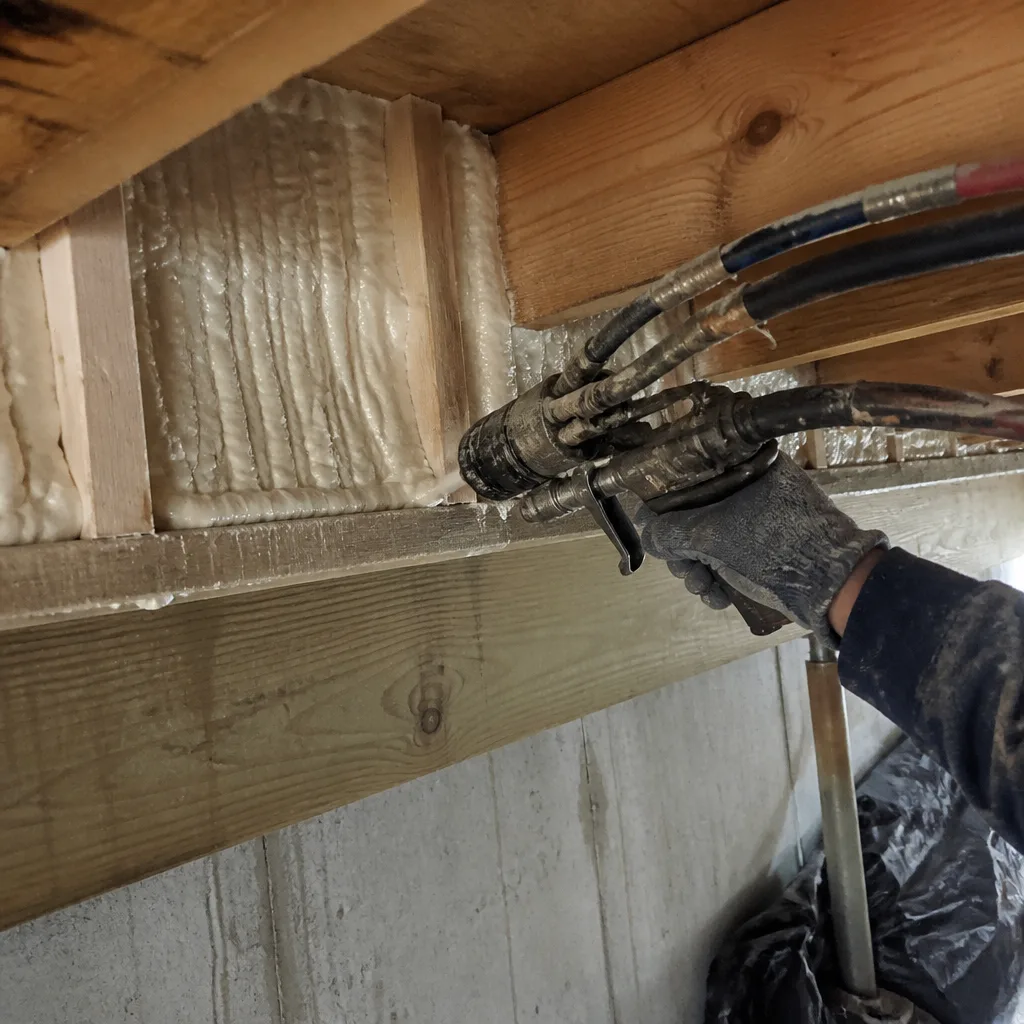
If your attic hasn’t been touched in 15 years or more, cleaning probably pays for itself. You’ll remove the pest droppings, the dust load, and the old compressed insulation all at once, giving you a clean deck for a proper air seal and fresh blown-in material. Attic cleaning in Corona typically runs $900 to $1,800 for a standard single-family home, depending on attic square footage and how much contaminated material needs hauling. Add full insulation replacement and the project lands between $3,000 and $5,500 for a typical 1,800-square-foot home.
What happens when you call
- 1
A real person answersNo phone trees — you reach a local pro.
- 2
You get an upfront price rangeHonest numbers before anyone is dispatched.
- 3
A background-checked tech heads outLicensed & insured, dispatched right away.
- 4
You approve before work beginsNothing starts until you say go.
Trusted Brands We Service in Corona
We install and service Owens Corning, Johns Manville, Knauf, and GreenFiber insulation systems in Corona homes, along with our full lineup of Icynene and Demilec spray foam, Rockwool mineral wool, and CertainTeed fiberglass. What that means for you: if your attic was originally insulated with a specific product and you want to match it or upgrade within the same family, we stock the materials. We keep the common batt sizes and loose-fill products on hand for Corona jobs, so there’s no two-week wait while material ships from a distributor. Same-week installs are normal for us in the 92882, 92883, 92877, and 92878 zip codes. Ruben Calloway built the company around having options, not excuses.
Common Attic Insulation Problems We See in Corona Homes
- Wind-driven grit clogging soffit vents. Corona’s position between the Cajon Pass and the Santa Ana wind corridor means attics pull in dust constantly. Once soffit vents clog, intake airflow drops and summer attic temps spike even harder, stressing your HVAC system and degrading insulation faster than in Eastvale or Norco.
- Settled and compressed original batts in 1960s and 70s tract homes. Downtown Corona and the older south-side streets are full of homes with R-11 or R-13 batts that were marginal in 1975 and are worthless now after decades of thermal cycling. We find gaps where the batts have separated from the framing, especially around the perimeter of attic hatches.
- Radiant barrier with no air sealing underneath. It’s a common Corona retrofit from the early 2000s. Foil stapled to rafters, but no sealing. Dust accumulates on the reflective face, the reflectivity drops, and heat gets trapped between the foil and the roof deck. The foil is still there, but it’s no longer doing much.
- Irregular attic boundaries from garage conversions. Corona’s garage conversion trend has created thousands of attics with odd geometry: extra knee walls, abandoned duct runs, mismatched ceiling heights. Those irregular spaces get skipped during a basic blow-in job, leaving gaps that show up as hot spots in the room below. We air-seal and insulate those boundaries properly.
Pricing for Attic Insulation in Corona, CA
Here’s what Corona homeowners should expect. Blown-in attic insulation for a 1,500-square-foot home usually runs $2,800 to $4,500 with air sealing included. Batting a new attic or replacing old batts lands between $3,500 and $6,000 for the same size home. Attic insulation top-up, where we remove the compacted layer and blow fresh material over a clean deck, runs $1,800 to $3,200. Radiant barrier adds $1,400 to $2,700. Attic cleaning alone runs $900 to $1,800. If you’ve got a true 150°F attic in a 1980s tract home near the 15, full replacement with air sealing and radiant barrier often lands between $5,000 and $8,500, and that’s the project that finally gets your upstairs below 80°F in August. We do free estimates in Corona. Call (855) 798-0822 and we’ll give you real numbers tied to your attic’s actual square footage and condition.
We Also Serve Cities Near Corona
Our crews run jobs in Home Gardens, El Cerrito Corona, Eastvale, and Norco just as often as they’re in Corona proper. If you’re near the 15 or the 91, call (855) 798-0822 and ask about scheduling. We likely have a crew in your area within the week.
Serving Corona, CA — Our Local Coverage Area
We’re based in the Corona area and know this community well. Use the map below to see our service coverage — if you’re nearby, we can almost certainly help.
FAQs About Attic Insulation in Corona
The dust from the pass pushes through soffit vents and settles across your attic floor, where it mats down loose-fill insulation and reduces its R-value by 30 to 50 percent over several seasons. In foothill neighborhoods off Chase Drive, that dust often includes fine ash from the Cleveland National Forest boundary, creating a dense crust that has to be removed before new insulation can go down. Call (855) 798-0822 and we’ll inspect the damage and quote removal and replacement.
R-38 is the minimum for new attic insulation in Corona; R-49 is what we recommend for most homes because the 150°F summer attic temperatures and 30-degree daily temperature swings punish under-insulated spaces hard. Many older Corona homes have R-11 or R-13 batts. Bringing those up to R-49 typically requires full removal and new blown-in material, and the difference in upstairs comfort is immediate.
Yes. We run small crews with equipment that fits through narrow side yards and alley-load configurations, including the townhome clusters east of the 15. We’ll stage material in a single parking spot and work clean. Blown-in insulation works especially well for tight-access attics because the hose reaches where larger panel batts can’t.
Radiant barrier reflects thermal radiation from the roof deck before it can heat the insulation below, which drops attic temperatures by 20 to 30 degrees in Corona’s summer heat. That reduces the load on your HVAC system and extends the life of your insulation. It’s especially effective in the foothill homes off Chase Drive and Green River Road where the roof gets full sun all afternoon.
Look for a visible dust crust on the attic floor, matted-down loose-fill that’s lost its loft, pest droppings mixed into the material, and any rooms that stay hot even when the AC runs constantly. In Corona, if your upstairs bedrooms won’t hold temperature on a 100°F day, the attic insulation is almost always the problem. Call (855) 798-0822 for a free inspection and quote.
Written by Ruben Calloway, Owner at Rock Solid Insulation, serving Corona and the surrounding cities with multi-brand attic insulation, spray foam, and blown-in solutions.