Emergency Attic Insulation Near Me: What Ontario Homeowners Should Do First
If you’ve just discovered a collapsed ceiling, a rodent infestation in your attic, or storm damage that ripped open your roofline, take a breath. True attic insulation emergencies in Ontario are rare, but they do happen. Most urgent situations fall into two buckets: damage-control scenarios that need a tarp and a professional within 24 hours, or comfort crises like a sudden cold snap exposing failed insulation that can wait 48 to 72 hours for a proper assessment. Knowing which one you’re in saves you hundreds, sometimes thousands, of dollars. If you’d rather not sort through it alone, call us at (855) 798-0822 and we’ll walk you through it.
Is This a Real Emergency? Three Scenarios That Demand Same-Day Action
Calling the first contractor who answers “24/7 emergency insulation” after a bad storm or a rat discovery often means paying a premium to have something installed before anyone checks whether the space is actually ready for it. That sequence costs more to fix later. Before you call anyone, triage your situation.
Here are the three scenarios in Ontario where same-day action genuinely matters:
- HVAC duct exposure after storm damage. If wind or fallen branches tore through your roof deck and exposed ductwork, your heating and cooling system is now pulling outdoor air directly into the house. In Ontario’s Inland Empire summers, that means 100-degree air flooding your living space within hours. This is a true emergency, not because of the insulation itself, but because your HVAC system is bleeding conditioned air and working itself to failure.
- Confirmed rodent contamination mid-winter. Rats and squirrels nesting in attic insulation leave behind urine, feces, and pathogens that circulate through your home’s air handling. If it’s January and you’ve confirmed active rodent activity, the contaminated material needs to come out before it makes anyone in the house sick. This isn’t a comfort issue. It’s a health one.
- Ceiling collapse from moisture. A roof leak that sat unnoticed can soak through insulation until the drywall below gives way. When you’re standing in your living room looking up at wet insulation hanging through your ceiling, you need someone there today. Water-logged fiberglass or cellulose loses its R-value completely and keeps wicking moisture into your framing.
Everything else, including drafts, cold rooms, high energy bills, and aging insulation that’s simply underperforming, can wait a few days. You’ll get a better result from a contractor who has time to assess the space properly than from one who rushes in because you sounded panicked on the phone.
What to Do in the First Hour: Document Everything Before Anyone Arrives
If you’re dealing with storm damage or a ceiling collapse, your insurance adjuster will need documentation before any contractor touches the space. Most Ontario homeowners skip this step and then fight their insurance company for months because they can’t prove what the damage looked like originally.
Here’s what adjusters actually need:
- Wide shots from multiple angles. Stand back and photograph the entire affected area, not just the damaged spot. Adjusters need to see how the damage relates to the rest of the room or attic.
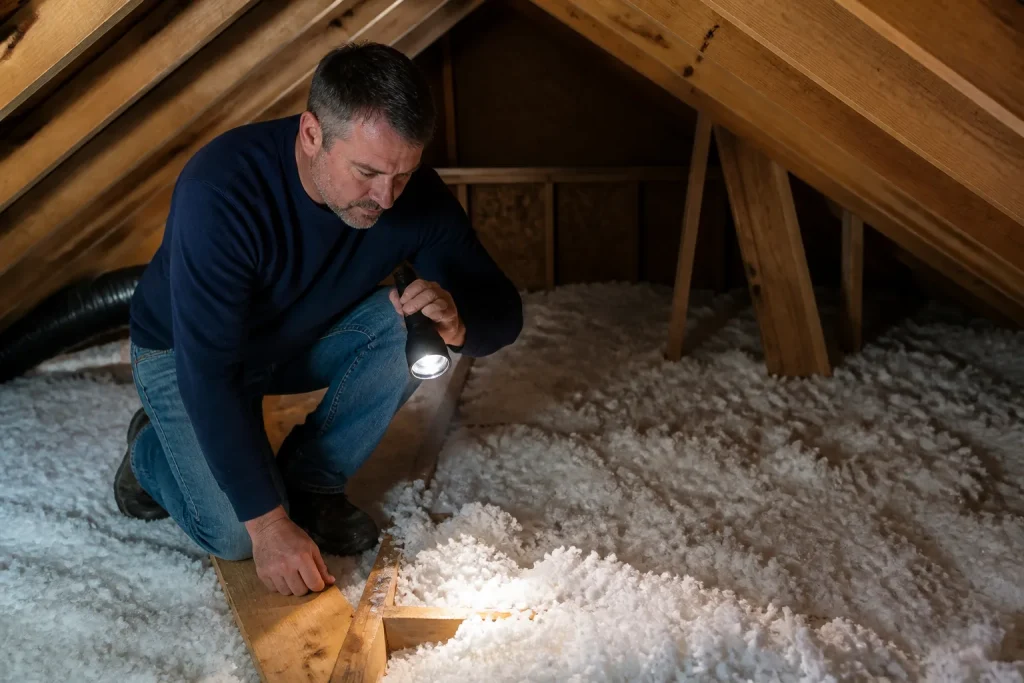
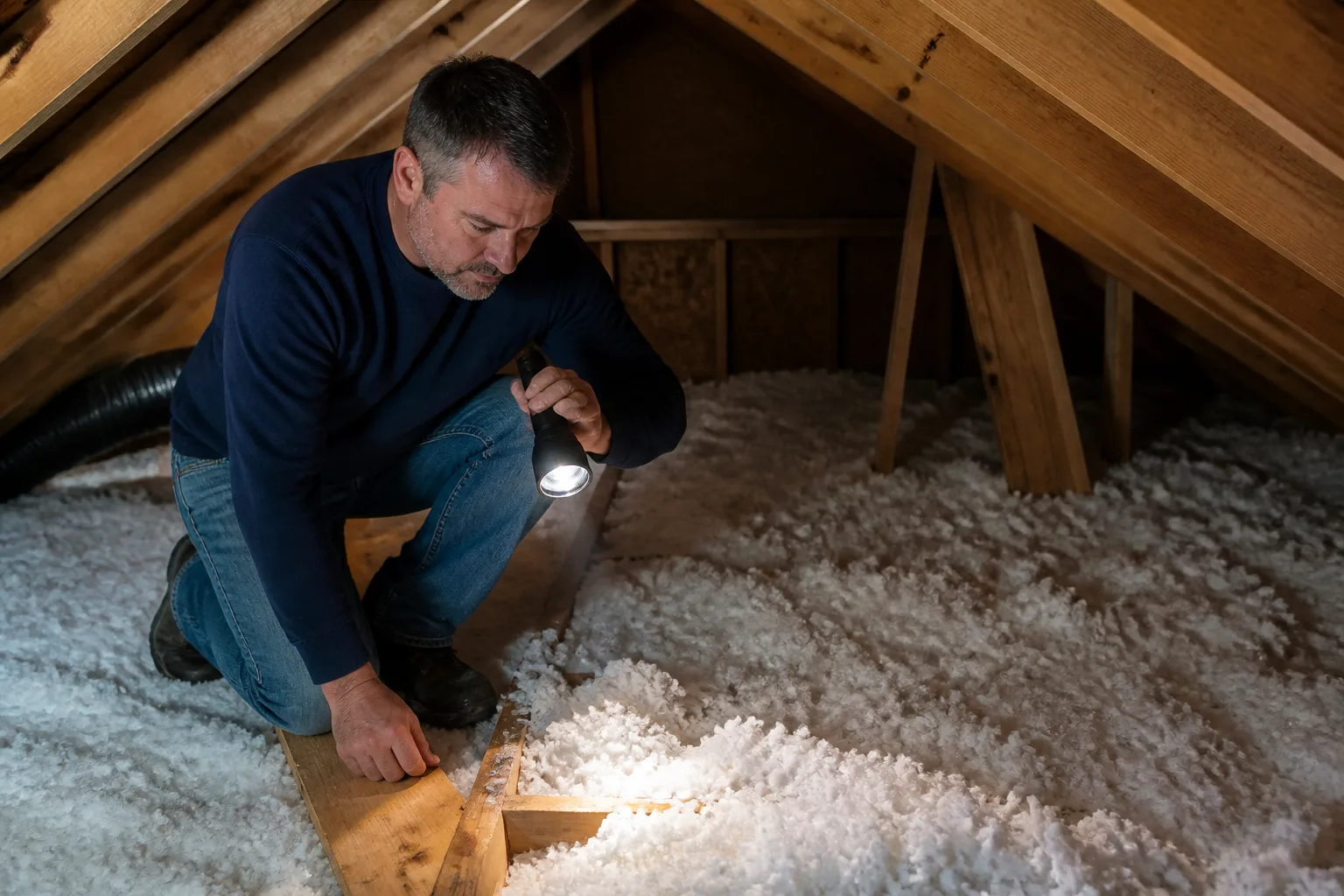
- Close-ups of the insulation material itself. Photograph the type, thickness, and condition. If it’s blown-in cellulose that’s compressed and wet, that matters for your claim.
- The source of the problem. If there’s a roof leak, photograph the water staining on the decking. If it’s rodent damage, photograph the droppings, nesting material, and any entry points you can see from inside.
- Your utility bills from the last 12 months. If you’re claiming that failing insulation drove up your heating or cooling costs, having the bills ready saves weeks of back-and-forth.
- Any visible mold or standing water. These trigger different parts of your policy, and adjusters need to see them in context.
Do not start pulling out insulation or cutting into drywall before you document everything. Once the material is in a garbage bag, your evidence is gone. Take the photos, secure the area with a tarp if water is still coming in, and then call your insurance company and a contractor in that order.
Rodent Contamination: Why You Can’t Just Blow New Insulation Over the Problem
We get calls from Ontario homeowners every month who found a nest in their attic, evicted the rodents, and now want us to blow a fresh layer of insulation over the top. We always tell them the same thing: the old material has to come out first, and there’s a process.
Rodent urine and feces soak into insulation fibers and the wood decking beneath them. Blowing new material over contaminated insulation seals those pathogens into the space. The smell lingers. The health risk continues. And here’s what most homeowners don’t know: every major insulation manufacturer voids the product warranty if new material is installed over an unsanitized substrate.
The correct sequence after a rodent infestation looks like this:
- Remove all contaminated insulation down to the bare decking. This requires protective equipment and sealed disposal bags, not a weekend DIY project with contractor bags from Home Depot.
- Sanitize the attic space. The decking, framing, and any ductwork need treatment before anything new goes in.
- Seal the entry points. If you skip this step, you’ll be back here in six months. Rodents follow the same paths and scent trails.
- Wait for the space to dry completely. Sanitizing agents need time to off-gas and the decking must be dry before new insulation is installed.
- Install the new insulation. This is when we discuss what actually belongs in your specific attic, whether that’s blown-in fiberglass like Johns Manville or Knauf, mineral wool from Rockwool, or a spray foam system for air-sealing performance.
Skipping steps one through four voids the warranty on step five. Every time. If a contractor quotes you a price to blow insulation over an active or recently active rodent problem, hang up and call someone else. They’re either inexperienced or they don’t care whether your new insulation actually works.
How to Vet a Contractor Making Emergency Contact
Storm chasers and pop-up operations descend on Ontario after major weather events and start knocking on doors. Some of them are legitimate. Many of them are not. When someone is standing on your porch offering same-day emergency insulation, ask three questions before they set up a ladder.
First: What brands do you install, and why those? A real installer can tell you the performance difference between Owens Corning and CertainTeed fiberglass, or why they’d spec Knauf blown-in versus Rockwool mineral wool for a specific attic. We carry eight brands across three installation methods, which means our recommendation follows what your home actually needs, not what we happen to have on the truck. A contractor who only installs one product and insists it’s perfect for everything is selling what’s easy for them, not what’s right for you.
Second: Are you licensed and insured for insulation work in Ontario? Don’t accept “yes” as an answer. Ask for proof. A legitimate contractor expects this question and has documentation ready. A storm chaser deflects.
Third: Will you assess the attic before you quote a price? Anyone who gives you a firm quote without looking at your attic is pricing a guess. Insulation requirements depend on the existing material, the depth, the venting, the air-sealing, and the condition of the decking. We won’t quote a job we haven’t looked at, because the quote would be fiction.
Rock Solid Insulation works the same way whether it’s an emergency or a planned upgrade. The assessment comes first, the recommendation follows, and nothing gets installed until you understand what’s going in and why.
Homeowner-Safe Temporary Measures vs. Professional-Only Interventions
There are things you can safely do in an Ontario attic while you wait for a contractor, and there are things you should not touch under any circumstances. Knowing the difference prevents injuries and keeps you from making the problem worse.
Safe to do yourself while you wait:
- Reflective barriers. If sun heat is the immediate problem and your attic is ventilated, stapling a radiant barrier under the rafters can reduce heat gain temporarily. This is a stopgap, not a fix.
- Temporary air sealing around visible gaps. If you can see daylight around a plumbing vent or an electrical penetration from inside the attic, filling that gap with spray foam from a can is fine as a temporary measure. Wear gloves and eye protection, and don’t overfill.
- Documenting conditions. Photos, measurements, notes about temperature differences between rooms. All of this helps your contractor diagnose faster.
Leave to a professional with the right equipment:
- Removing contaminated or wet insulation. Fiberglass and cellulose fibers in your lungs are not a good trade for saving a service call. Add rodent droppings or mold, and you’re looking at a genuine health hazard that requires respirators, protective suits, and sealed disposal.
- Anything involving electrical wiring. Attic insulation often sits alongside old knob-and-tube wiring or modern romex. Disturbing it without knowing what you’re touching is how fires start.
- Spray foam installation. We carry Icynene and Demilec systems, and both require professional application with proper ventilation and protective equipment. This is not a DIY product.
- Structural repairs. If the decking is soft, cracked, or water-damaged, that’s a carpentry job before it’s an insulation job.
For homeowners in Ontario who want a full attic insulation assessment, we walk the space with you, explain what we’re seeing, and give you a straight answer about what needs to happen now versus what can wait.
When to Call a Pro
If you’re reading this at midnight with water coming through your ceiling, skip the rest of this section and call your insurance company first, then a contractor. But if you’re dealing with persistent drafts, uneven room temperatures, or energy bills that climbed without explanation, you have time to make a good decision. That’s the situation where calling a specialist instead of a general contractor pays off.
Insulation performance depends on the interaction between the material, the climate, the venting, and the house’s construction. Ontario’s Inland Empire summers put a different load on an attic than coastal winters do. A contractor who understands those variables and carries multiple product lines can match the material to the job. We pulled a blanket of old fiberglass out of an Ontario attic last month that measured R-19 in a space that should have been R-38 for this climate. The homeowner thought they had adequate coverage because the insulation was “professionally installed” twenty years ago. It settled. It compressed. It stopped doing its job. Nobody noticed until their summer cooling bill hit $600.
That’s the kind of thing a proper assessment catches. If you’re in Ontario and want to know what’s actually happening in your attic, call (855) 798-0822 and we’ll schedule a visit.
Related Services in Ontario
Depending on what we find in your attic, we may recommend different approaches. Blown-in insulation works well for adding depth to existing coverage in vented attics. Spray foam makes sense when air-sealing is the priority and the attic is part of the conditioned space. We’ll explain the tradeoffs for your specific house before any work begins.
What happens when you call
- 1
A real person answersNo phone trees — you reach a local pro.
- 2
You get an upfront price rangeHonest numbers before anyone is dispatched.
- 3
A background-checked tech heads outLicensed & insured, dispatched right away.
- 4
You approve before work beginsNothing starts until you say go.
The Bottom Line
Most emergencies aren’t emergencies. They’re urgent problems that feel worse at 2 a.m. but can wait 48 hours for a proper assessment. The few true emergencies, storm damage exposing ductwork, confirmed rodent contamination, or a ceiling collapse, need a contractor who can respond fast without skipping the assessment step. Document everything before anyone touches the space. Vet your contractor with real questions about brands and licensing. And never let anyone install insulation over an unsanitized or wet substrate, because you’re paying for a problem that will come back.
If you’re in Ontario and need help sorting out what’s urgent and what can wait, call Rock Solid Insulation at (855) 798-0822 for a free estimate. We’ll tell you the truth about what you’re dealing with, even if the answer is that you don’t need us yet.
Frequently Asked Questions
A true emergency is any situation where exposed ductwork is pulling outside air into your home, confirmed rodent contamination is affecting air quality, or a ceiling collapse has occurred from moisture. Comfort issues like drafts and high bills are urgent but not emergencies, and can wait 48 to 72 hours for a proper assessment. Call (855) 798-0822 if you’re not sure which category you’re in.
No. Contaminated material must be removed down to the bare decking, the space sanitized, entry points sealed, and the area dried completely before new insulation goes in. Installing over contaminated material voids the manufacturer’s warranty and seals pathogens into your attic. We carry Johns Manville, Knauf, Rockwool, and other brands, and every one of them requires a clean, dry substrate for warranty coverage.
Emergency work typically costs 20 to 40 percent more than scheduled work due to overtime labor, expedited material handling, and rapid response logistics. The exact price depends on the attic size, the material required, and the condition of the existing space. Call (855) 798-0822 for a free estimate based on your specific situation.
No. Wet insulation is heavy, and the moisture often means mold is already present or developing. Removal requires protective equipment and sealed disposal. The only safe homeowner action while you wait is documenting the damage with photos and containing the water source with a tarp if you can do so safely. Let a professional handle the removal.
Written by the team at Rock Solid Insulation, serving Ontario since 2012.
Need Insulation Help?
Call Rock Solid Insulation — licensed & insured, here with fast after-hours help in Ontario.
(855) 798-0822